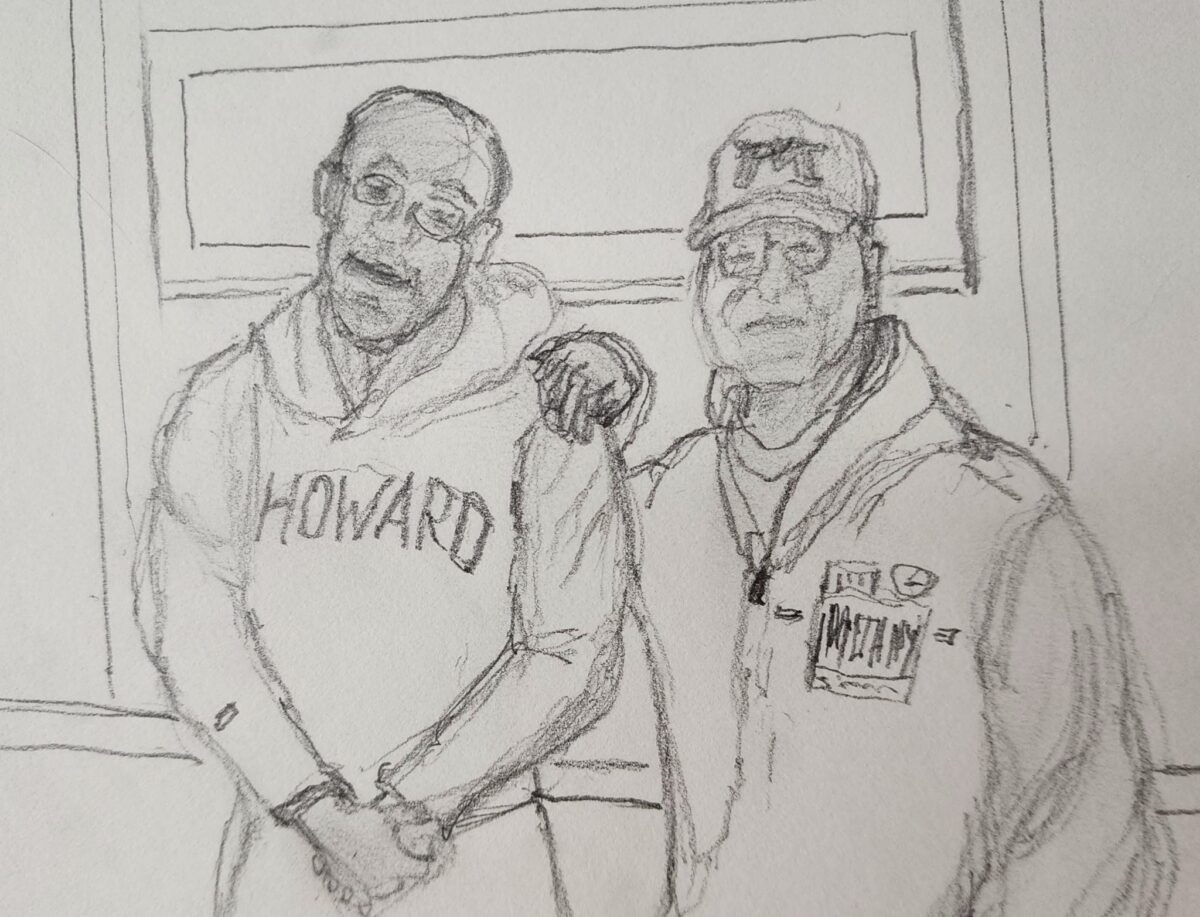
Sketch by Dr. Mickey Glantz
It’s Sunday morning, and I should be in Pennsylvania, but the nationwide shutdown has me sitting in a coffee shop in Boulder, Colorado, with John Lennon’s “Imagine” playing in the background. My original intent was to be here from November 1-14 to work on a project entitled: “Seeking Morton’s Vision: A multimedia project on the Life and Legacy of Warren Morton Washington on a Warming Planet.”
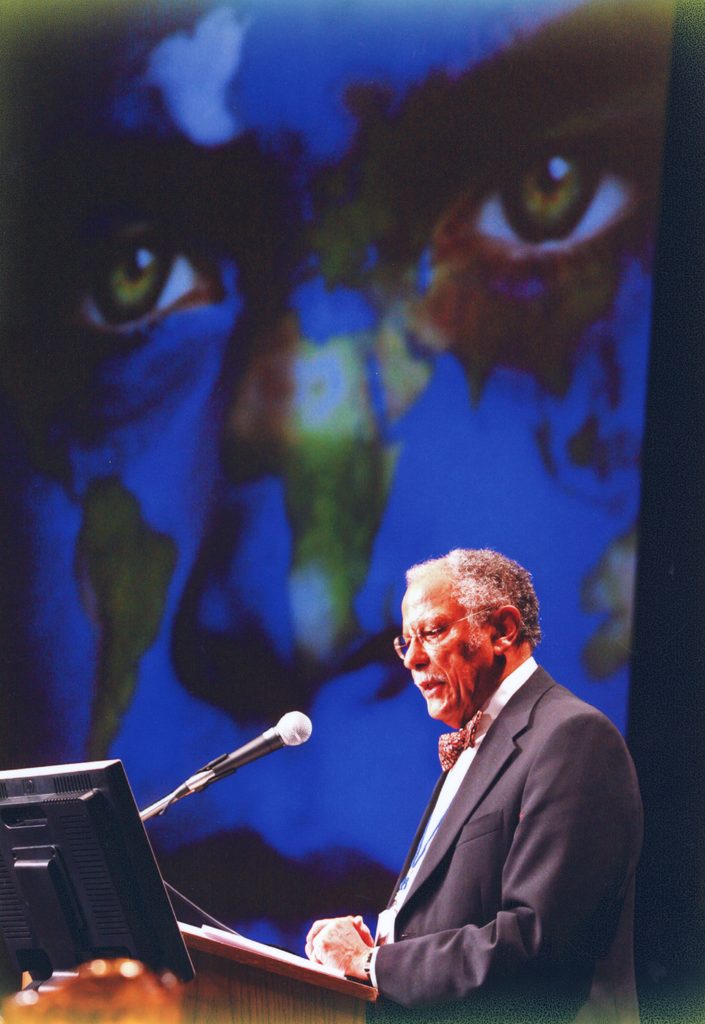
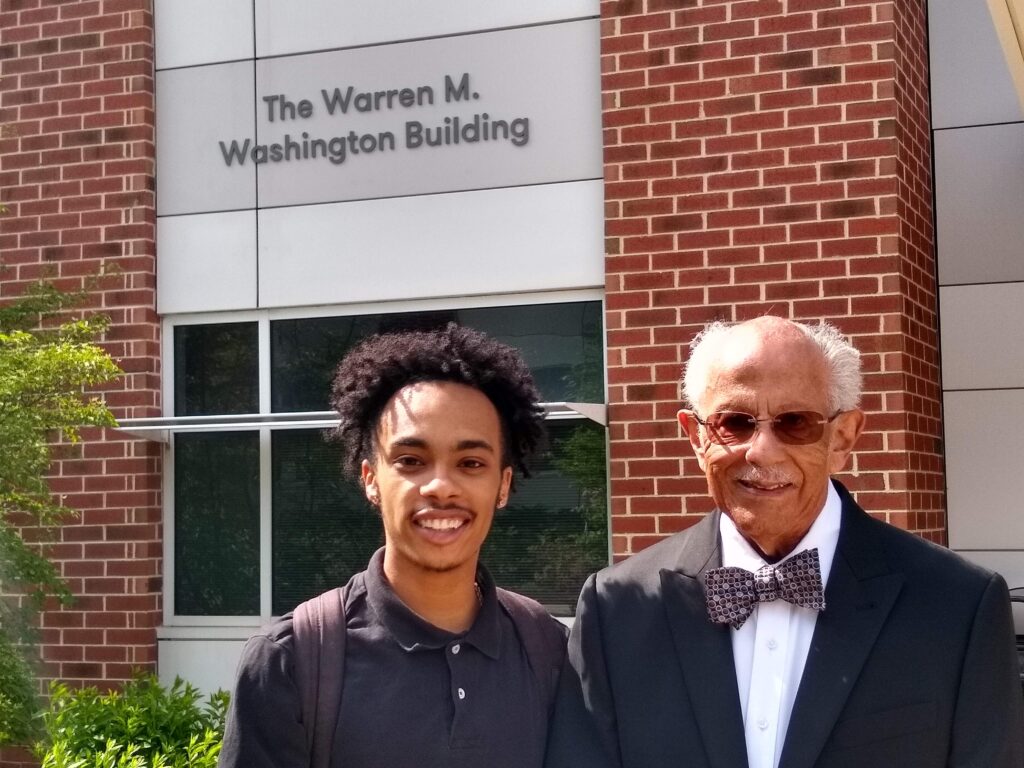
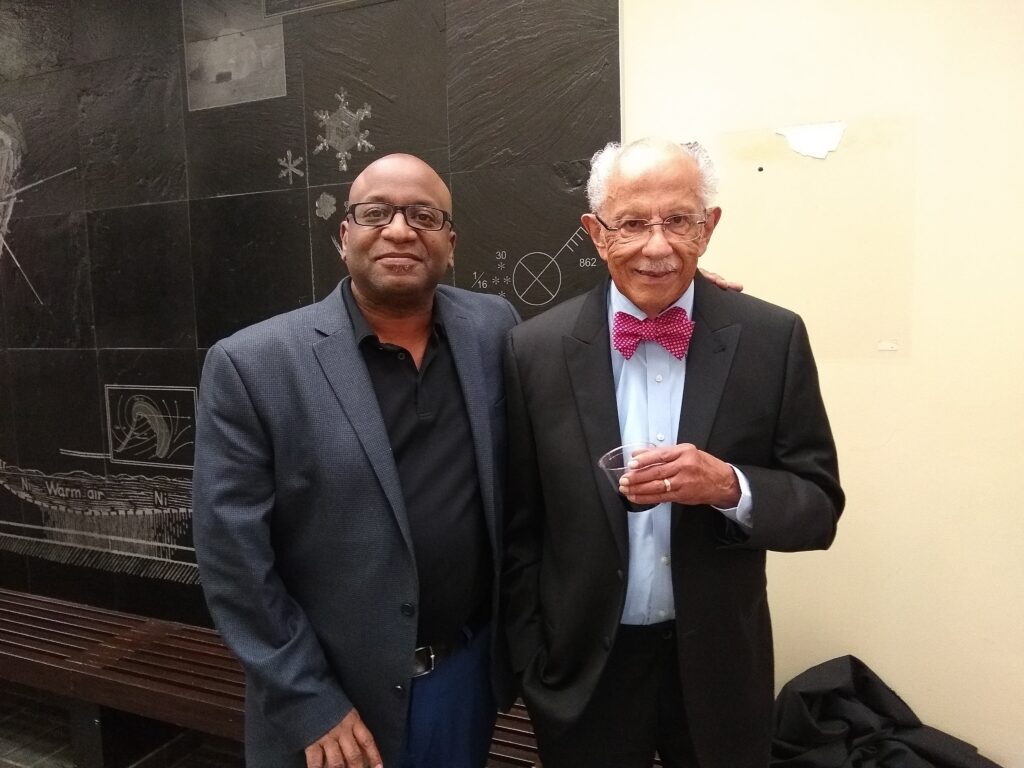
But dang, stuff happens when you least expect it, and I wonder why I am involved? Answer: Ancestors. The project that I am working on aims to understand Morton’s vision (Warren’s middle name), which goes back to his grandfather, Wirt Morton, who was born around 1871 and found his way from the pre-Civil War slaveholding state near Richmond, VA to California, then Portland, Oregon. Warren was always seen wearing a bow tie. In Warren’s autobiography, the front cover shows Warren’s grandfather standing with church members in the early 1900s wearing a bow tie!!
Warren’s Legacy
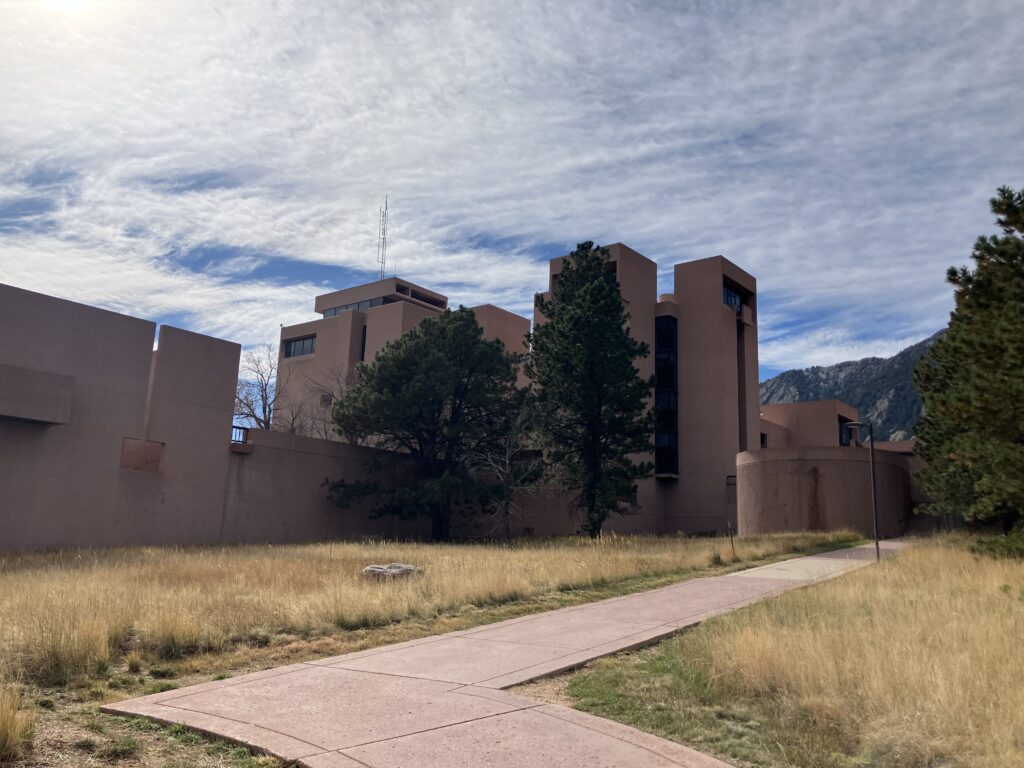
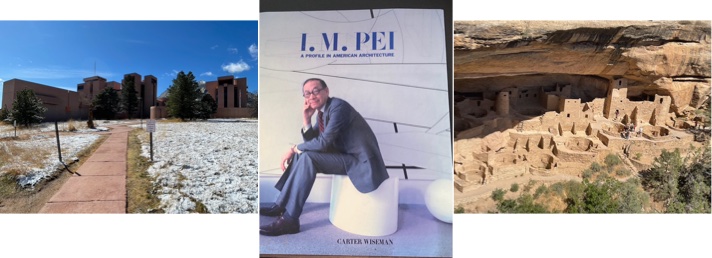
Climate Models. Since November 2nd, 2026, I have been interviewing scientists at the National Center for Atmospheric Research (NCAR), which first opened in 1960. The Mesa Lab at NCAR was designed by the famous architect I.M. Pei, and it looks like the cliff dwelling in Mesa Verde Park that I visited this summer.
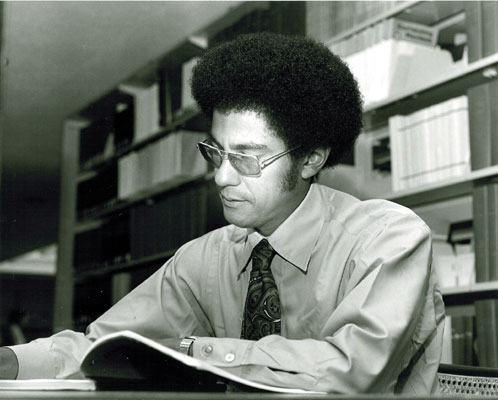
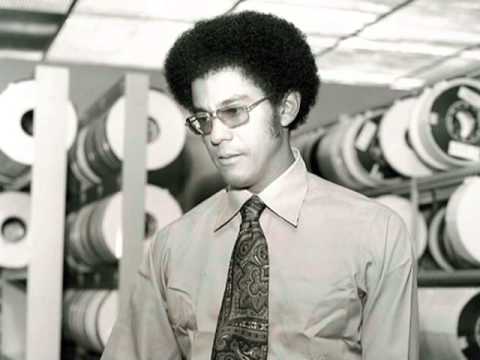
Warren was a PhD student at Penn State University working on his PhD dissertation in the fall of 1963, and he decided he wanted to work at NCAR. He and Akira Kasahara built the first General Circulation Model (GCM) at NCAR in the 1960s. This model could run on the computers of the day, but couldn’t simulate the atmosphere for more than a few weeks because of the computer resources. Throughout his life, he continued to innovate in creating what would eventually become Earth System Models (ESMs). Warren’s model in the late 1980s included coupled atmosphere, dynamic ocean, and sea ice components and could therefore project what 21st-century climate change might look like as humans continued to burn fossil fuels. Warren wanted future generations to have the same environment as he and earlier generations were fortunate to have. So his models provide guidance for making decisions to protect future generations.
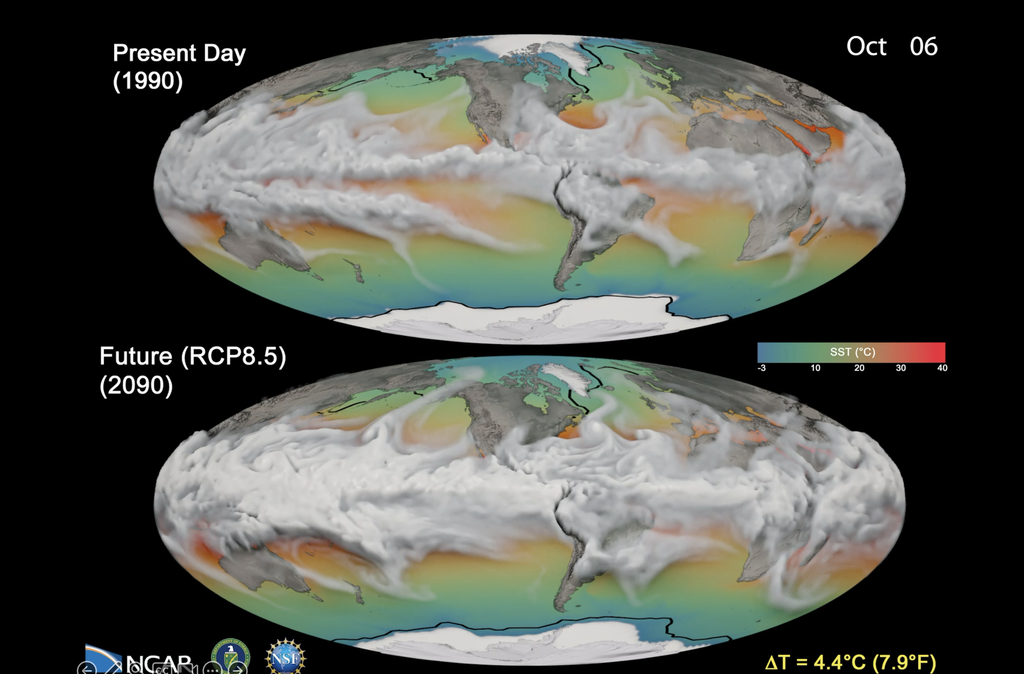
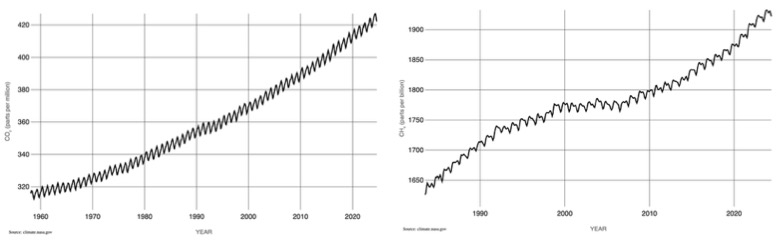
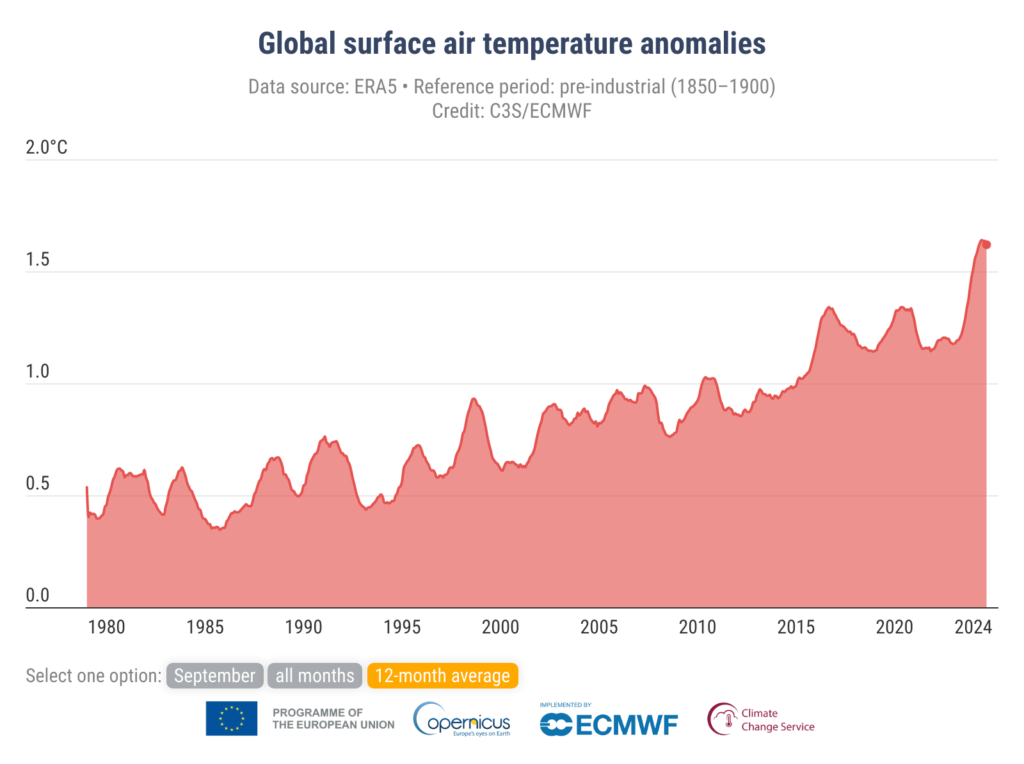
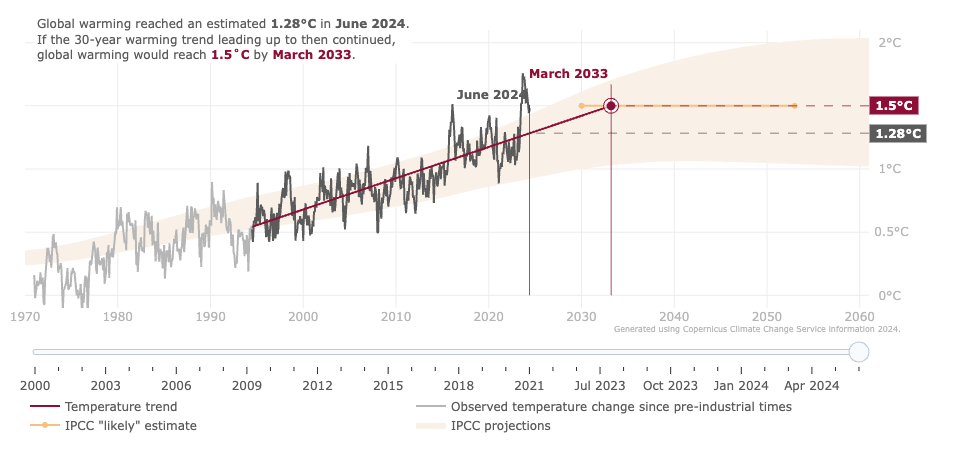
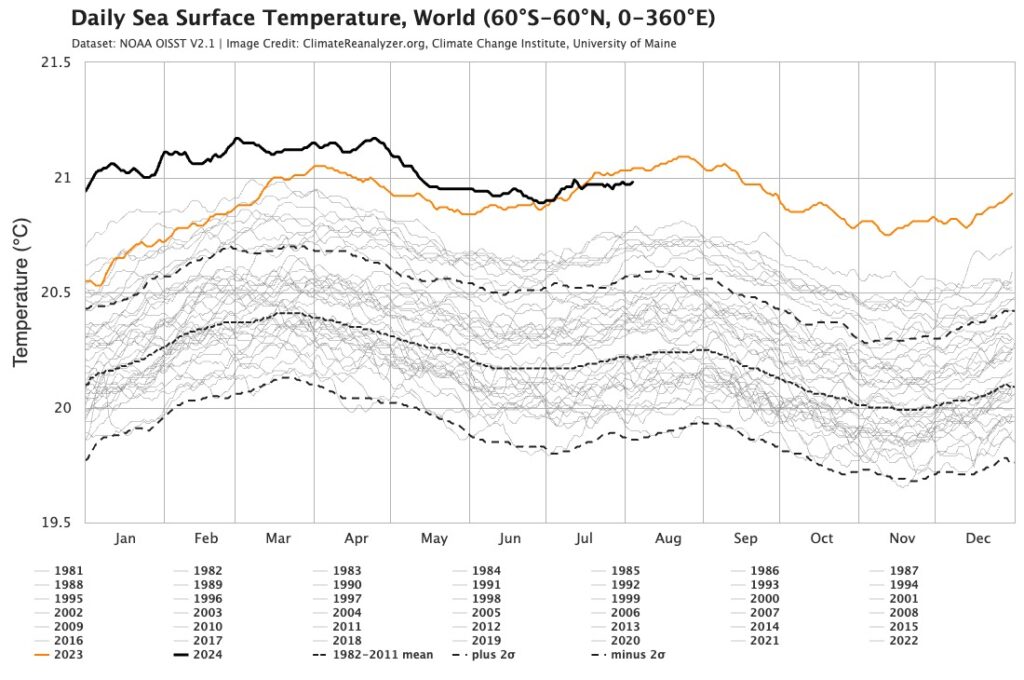
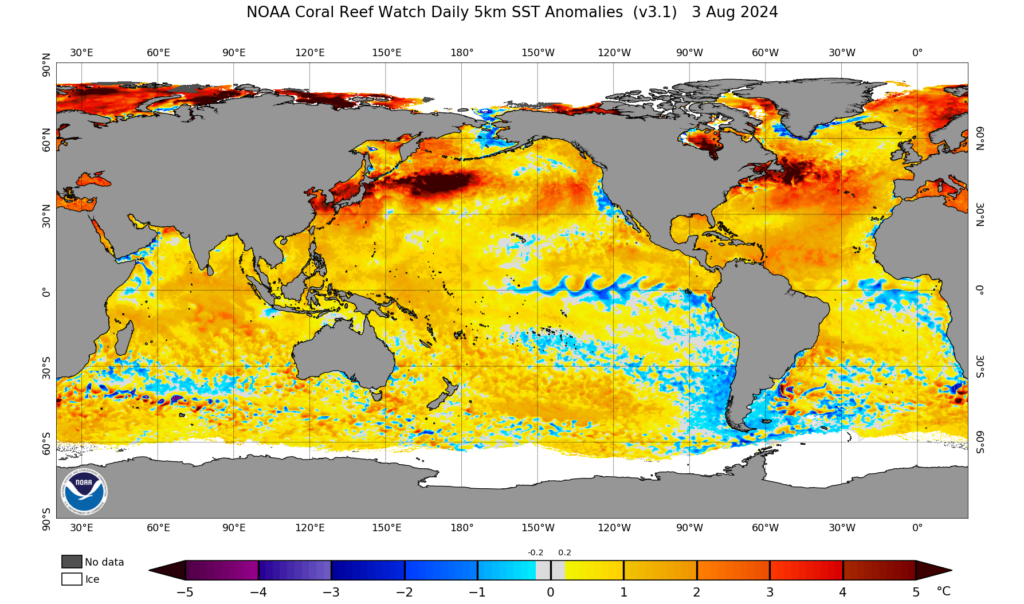
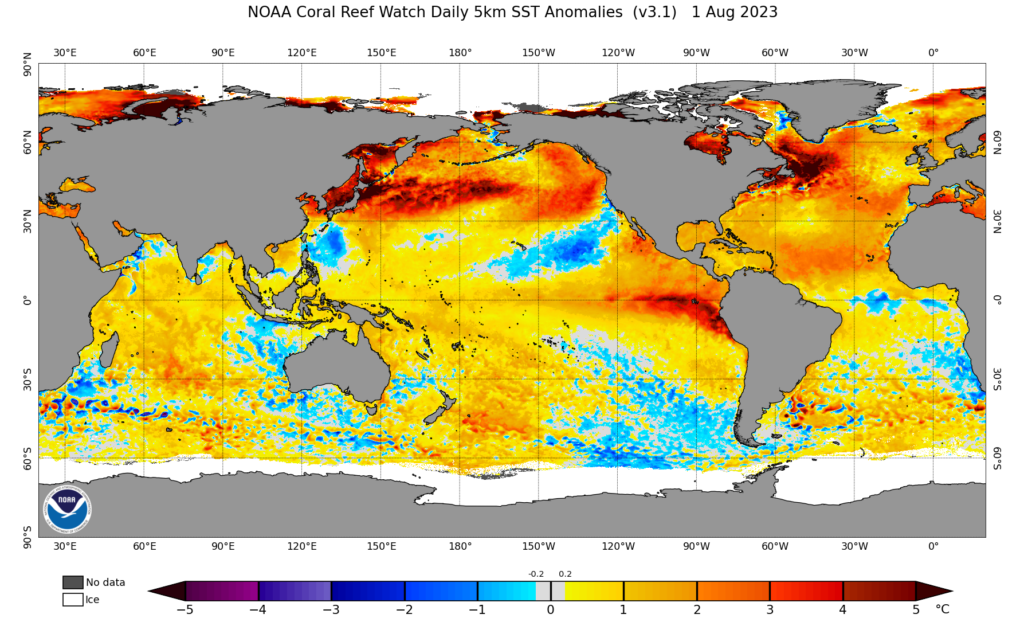
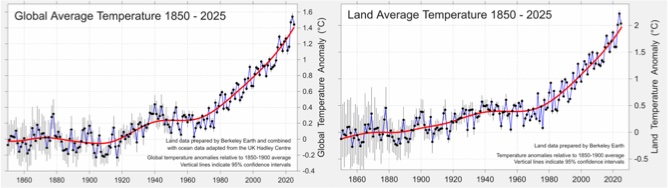
Thus far, the global community’s actions have been insufficient. The Global mean temperature is now 1.6 Celsius or 2.9 F above pre-industrial levels. Land temperatures are more than 3.6 F above pre-industrial values. This year (2026) and next (2027) are expected to be the warmest on record because of the Super-El Niño, with subsurface temperatures exceeding 20°F as of last week.
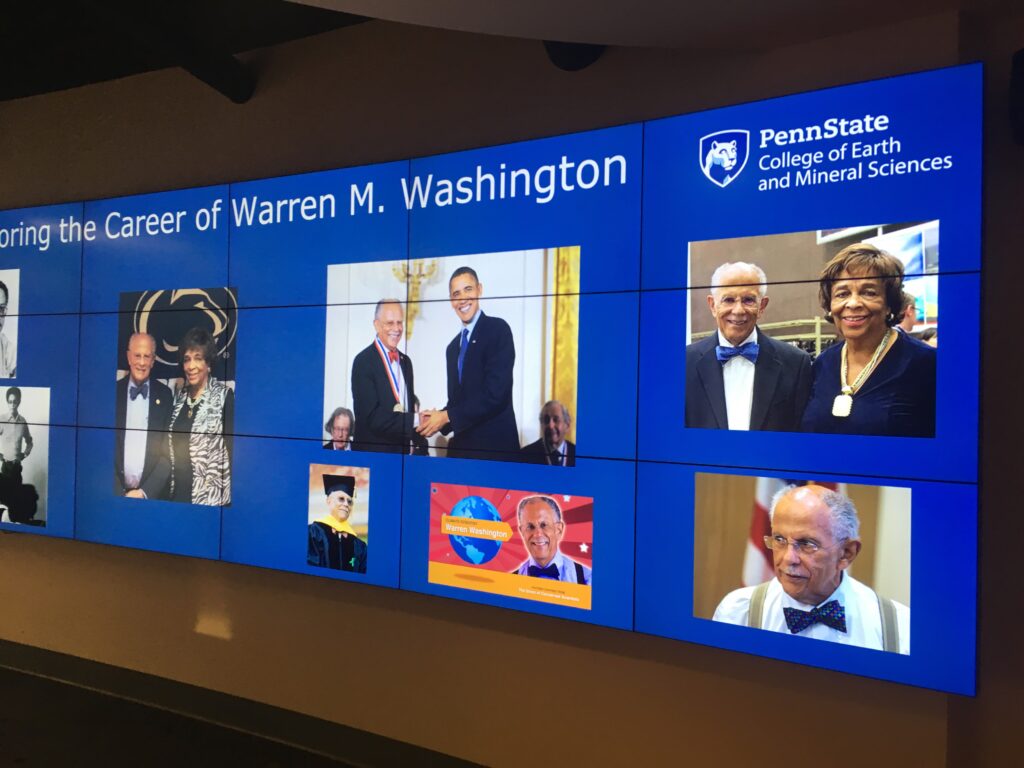
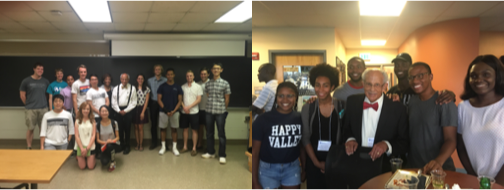
Diversity. Warren was the 2nd African American to receive a PhD in the United States. But digging into Warren’s archives shows me he wasn’t satisfied. In 1964, he wrote the republican State Senator of Colorado, asking him to vote for the civil rights bill. The Senator wrote back, saying that he would back the vote in support of the Civil Rights Act. In 1970, Warren wrote to the American Association for the Advancement of Science (AAAS), saying that they needed more people of color in the sciences. In 1973, Warren helped to develop a summer program at NCAR with Atlanta University; in 1981, this became the Summer Employment Program (SEP); later, it became the SOARS program.
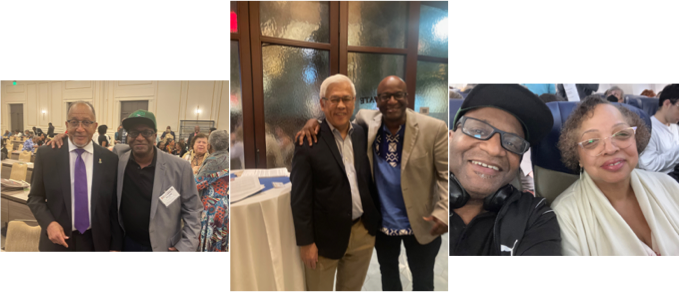
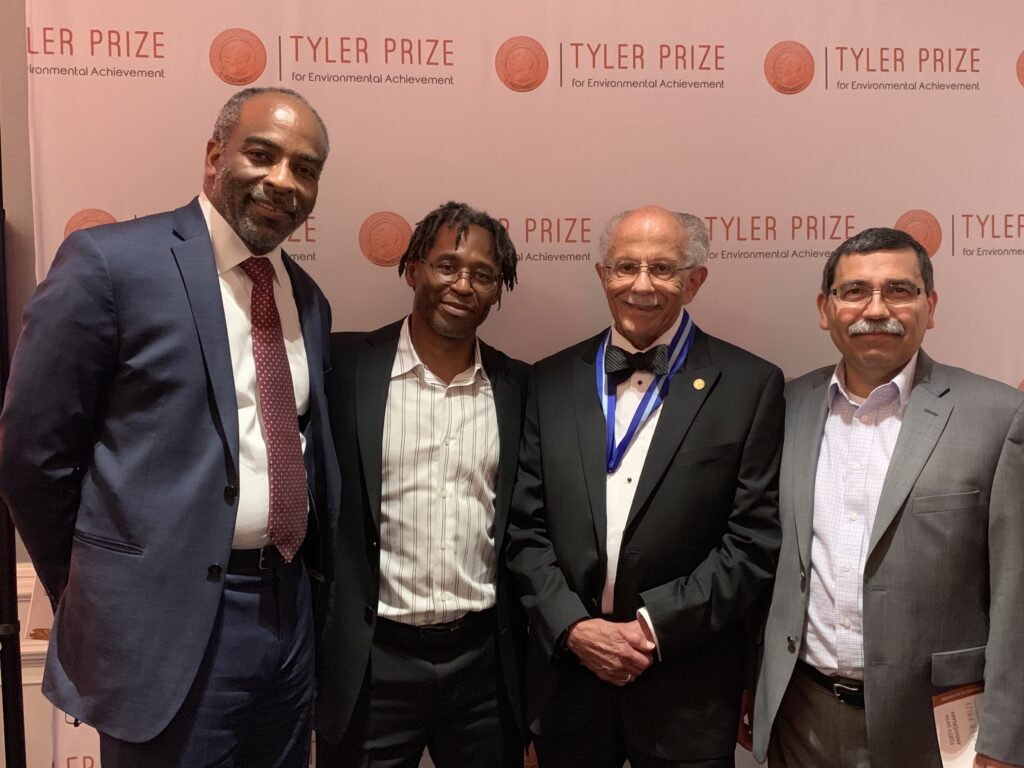
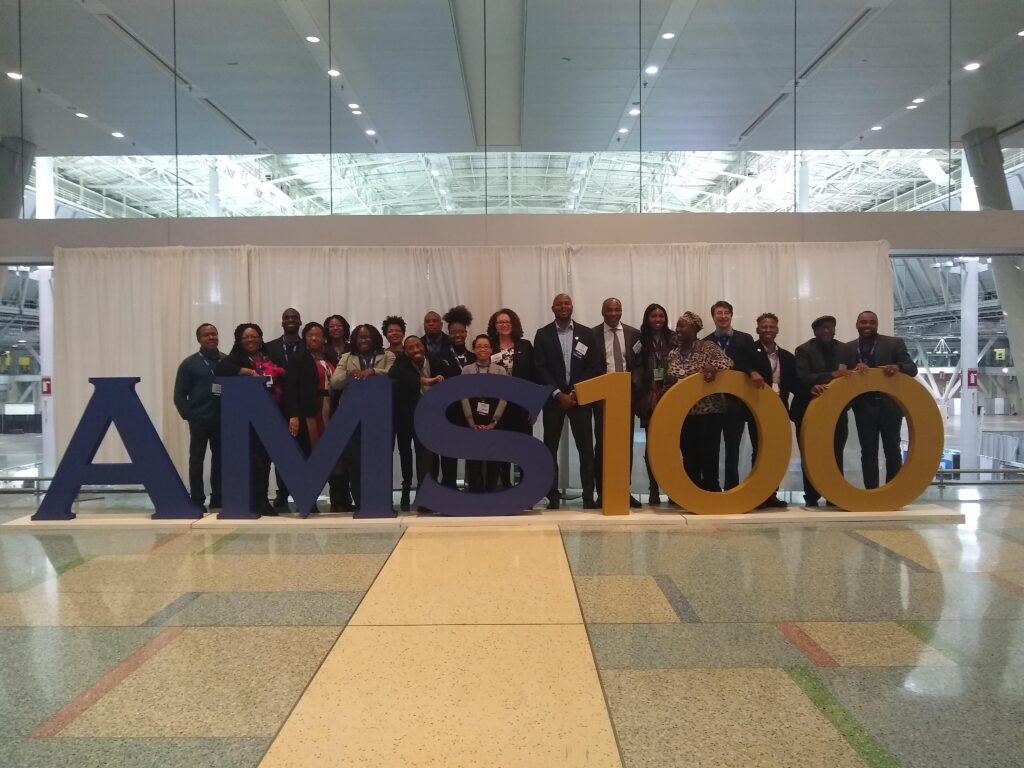
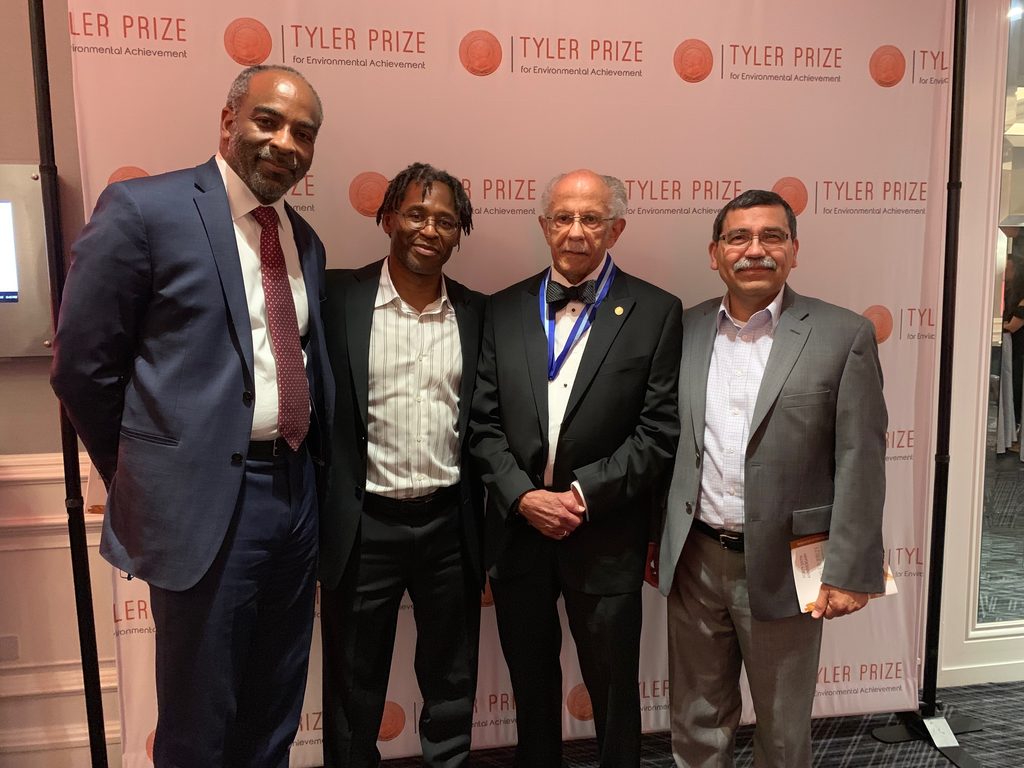
In the winter of 1989, while I was a student at the University of Michigan, I met Warren Washington at an MLK Day celebration. That was the beginning of a 35-year relationship in which I watched our discipline grow scientists of color from a few to many. I spent the summers at NCAR and then completed a 2-year post-doc at NCAR. He was the role model to follow, and I felt gratitude in his presence from the time I was a graduate student until his death. Many of my contemporaries, like Drs. Vernon Morris, John Cortinas, Michael Morgan, and Deanna Hence, and so many of our students were amazed and guided by his grace and tenacity. He destroyed any thought that we were imposters. But he also worked at the highest levels, advised 5 US presidents on climate and weather, and was a great scientist. He was also a pacemaker, the first African American to become president of the American Meteorological Society, and he won the Tyler Prize in 2019. I was so sad not to be there because I was in West Africa, but I was happy my buddies were there to witness it.
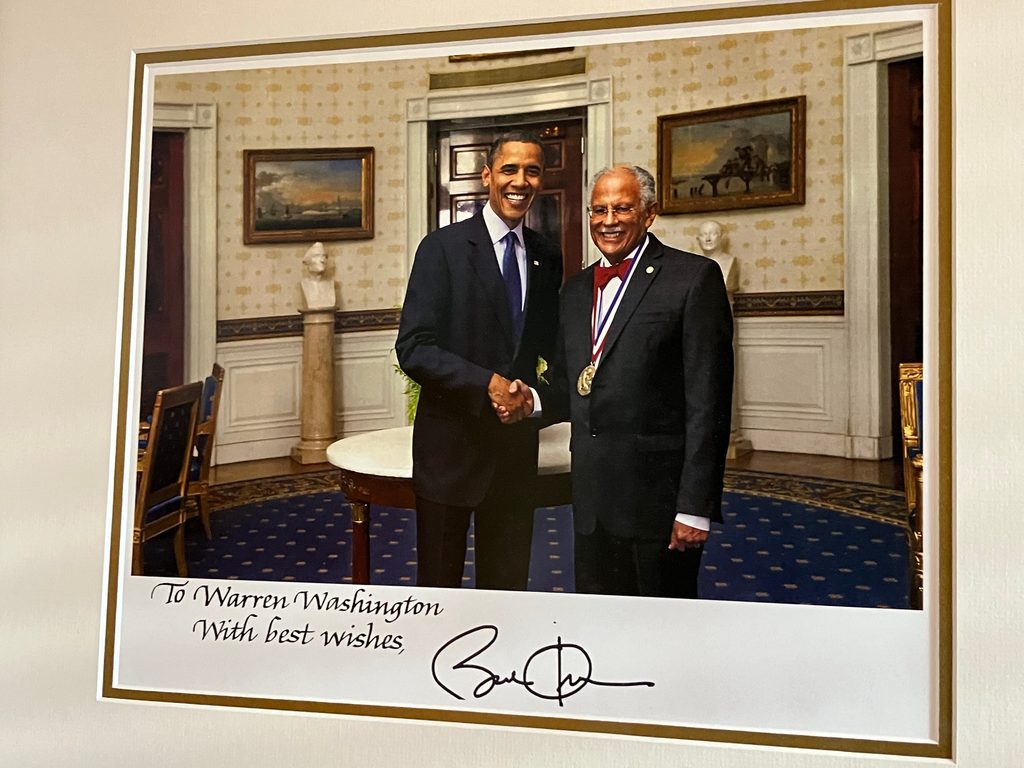
In my opinion, Warren’s greatest moment came when President Barack Obama awarded him the National Medal of Science in 2010. I remember talking to Warren and telling him I would find a Starbucks to watch the event because I was on NASA’s panel committee. What a moment in time to watch……
Making Way for the First Black NCAR Director (Dr. Everette Joseph)
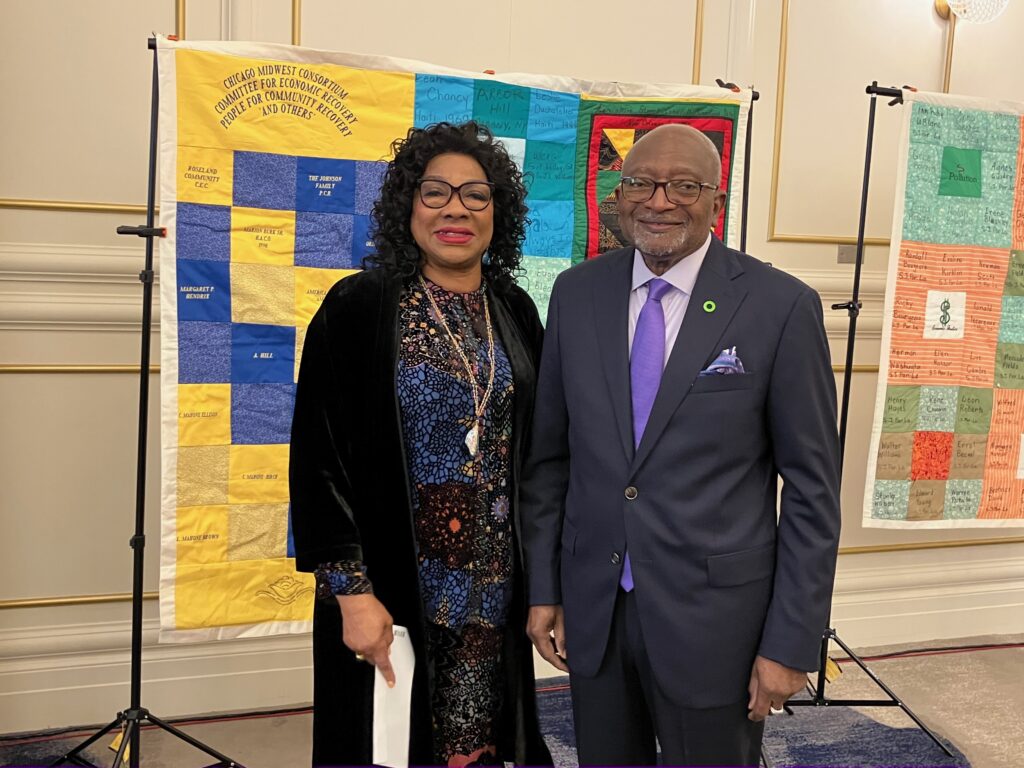
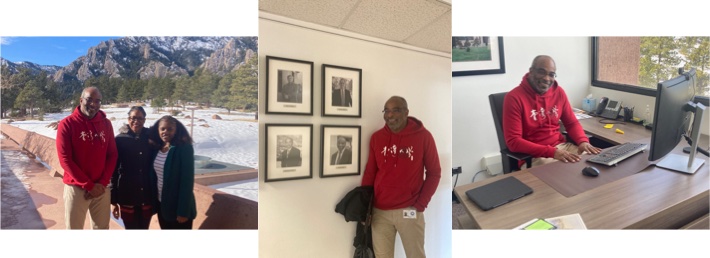
In 2019, Dr. Everette Joseph became the first Black person to become the director of NCAR. Warren rose to director of the Climate and Global Dynamics Division (CGD) in the late 1980s, an incredible feat. But I never thought that I would live to see a Black director of NCAR, as all of the previous ones had been neither Hispanic nor Black. That was crazy; it was like President Barack Obama getting elected in 2008. Unfortunately, the Pandemic hit the United States, and NCAR was basically closed, but Everette kept NCAR running. In January of 2023, the American Meteorological Society Meeting was held in Denver, Colorado. My colleague, Dr. Jamese Sims, and Myah Rather, a Howard PhD student, visited Dr. Joseph at NCAR. I can only imagine what Myah felt, because looking at the wall that lacks diversity (the wall portraits look like we in Sal’s Pizzeria from Do the Right Thing), you feel the importance of the moment at NCAR.
Warren passes away in 2024
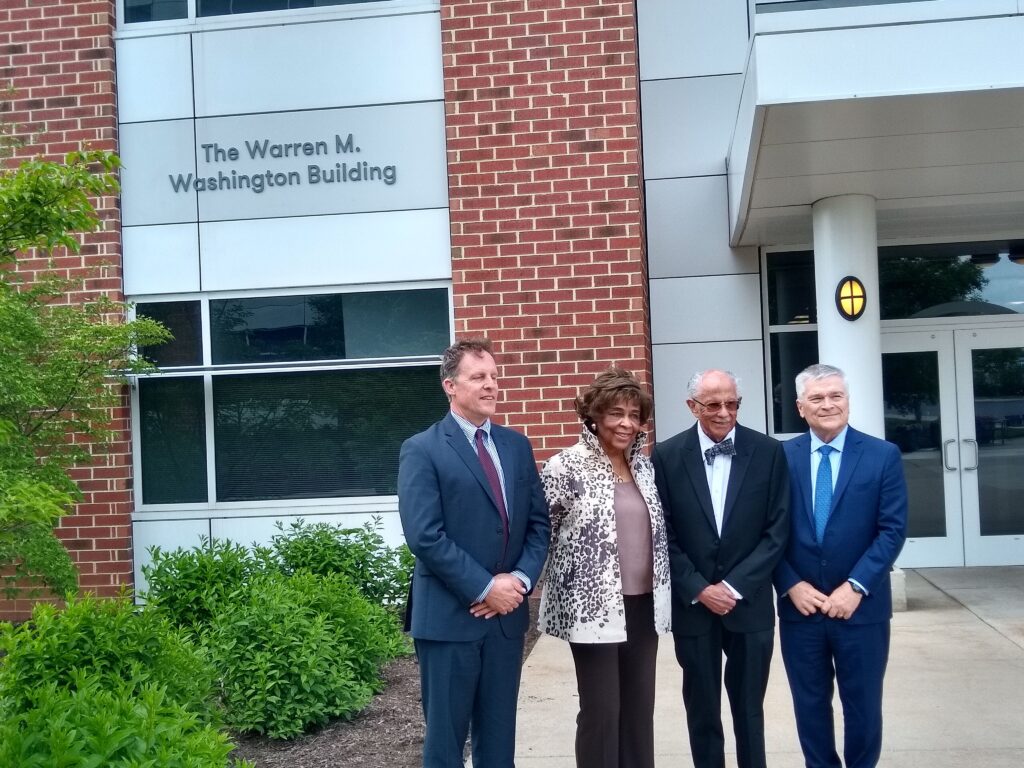
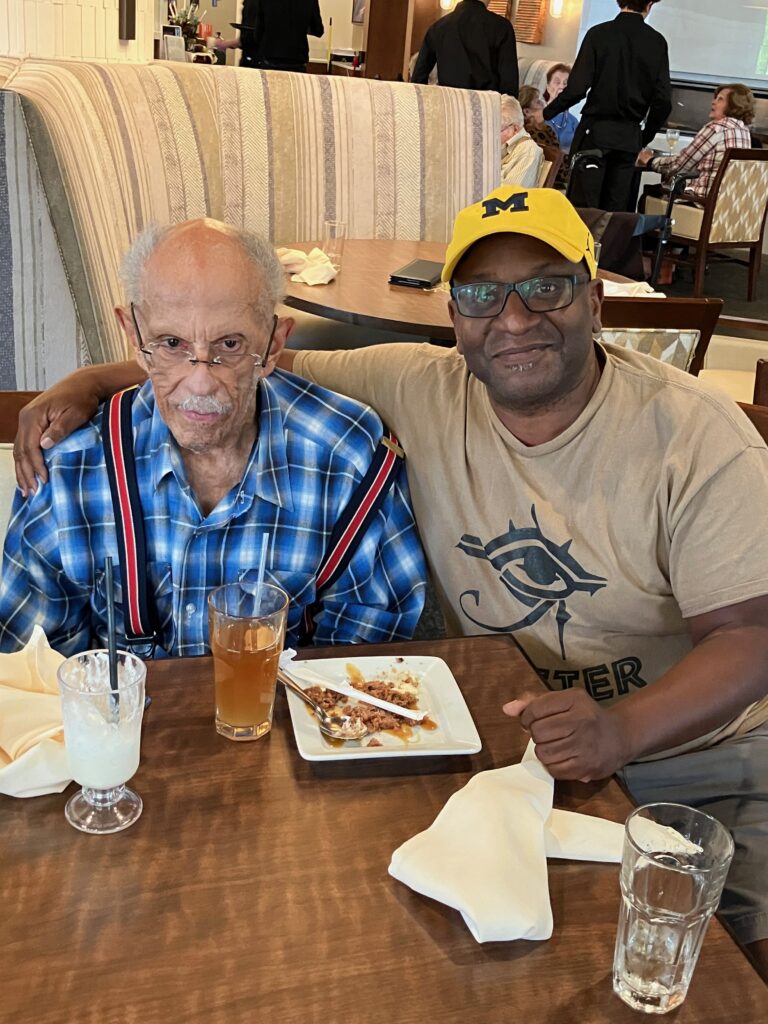
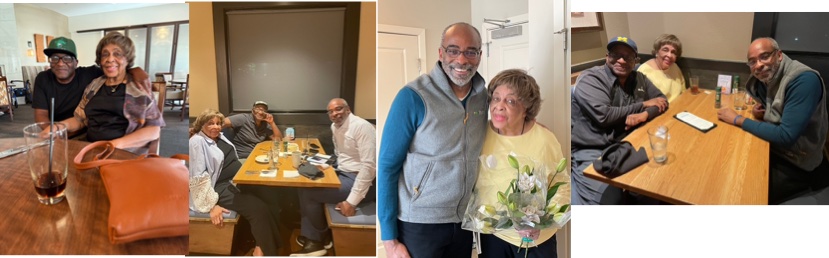
In October of 2024, I got a call from Warren’s wife, Mary. She told me that Warren had just transitioned, a day that I knew would come, but still wasn’t ready. I had spoken to him two weeks prior, and he sounded very fluid, even as Parkinson’s disease was taking a toll on his ability to speak and walk. The man who had inspired us for so long was no longer here. From that time on, every time I came to CO, I made it a mission to see Mary. It was gratitude and obligation. But whenever Dr. Joseph was free and could ride down to see Mary, he would– and he would bring flowers. Mary loves flowers. He is much more of a gentleman than I am. I just want to check in on her.
A devastating week to bear
This blog ends in the worst imaginable way. As I stated, I had been doing interviews, and on Sunday night (November 8, 2026) I interviewed Dr. Evertte Joseph. It was one of the best interviews and lasted nearly 1 hour. Afterward, we took Mary out to dinner as usual. She likes Bonefish, so that is where we went, and Everette and I were Mary’s bodyguards. She always says she can walk alone, but she already knows we won’t let her go alone.
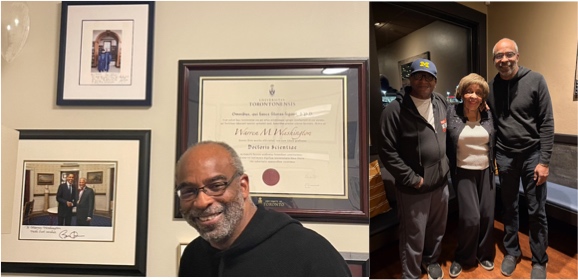
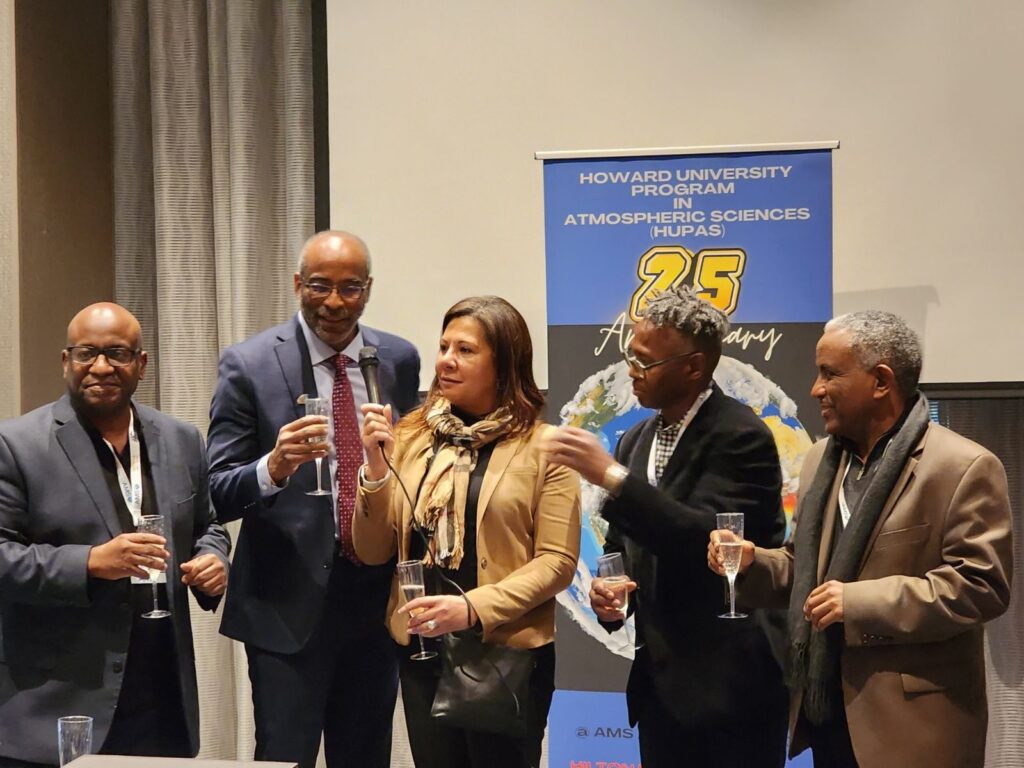
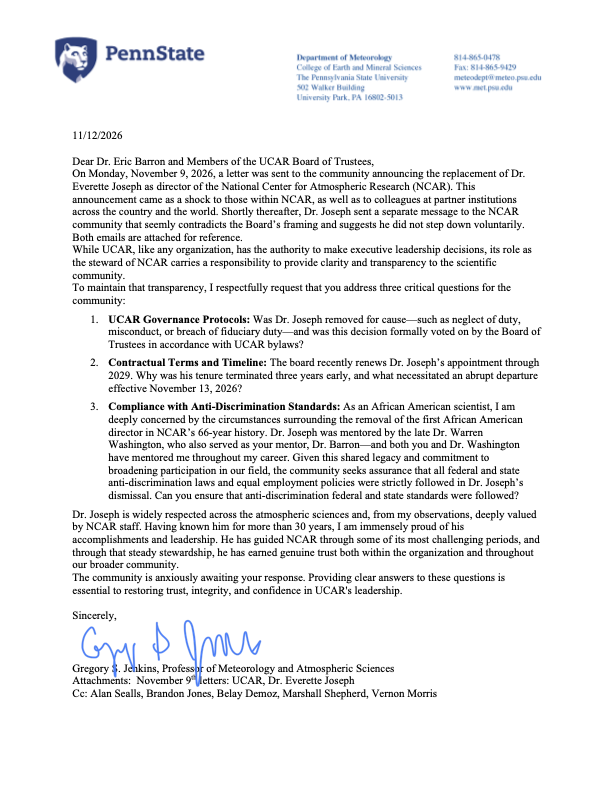
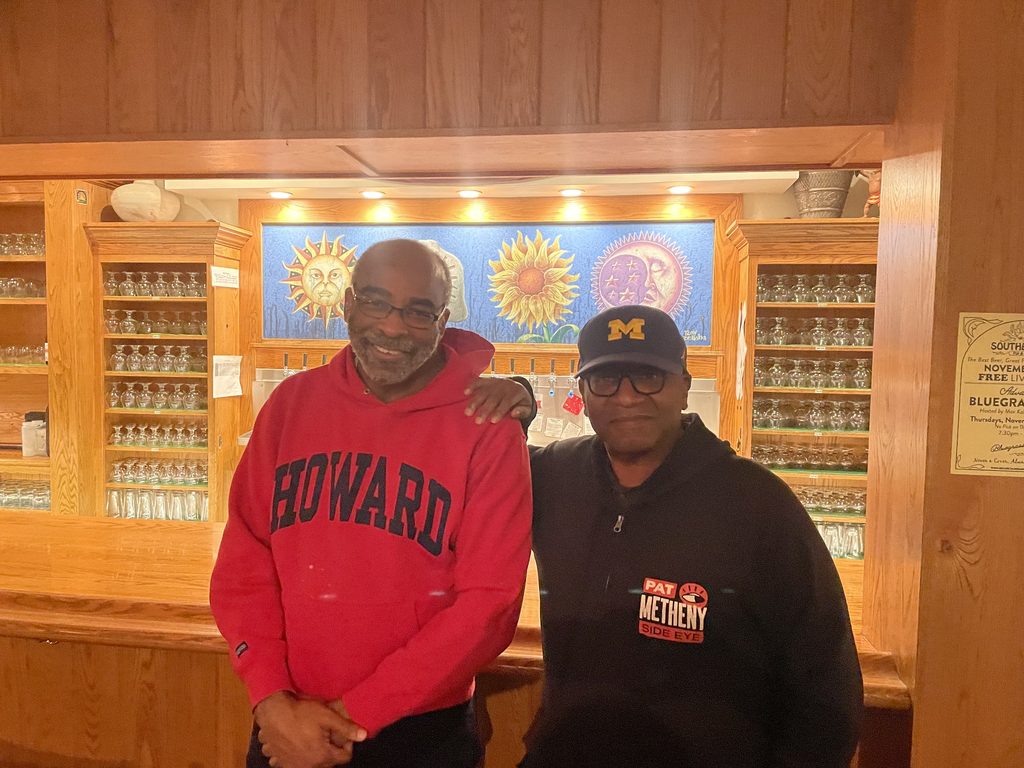
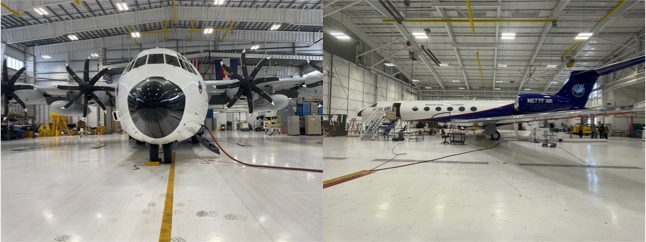
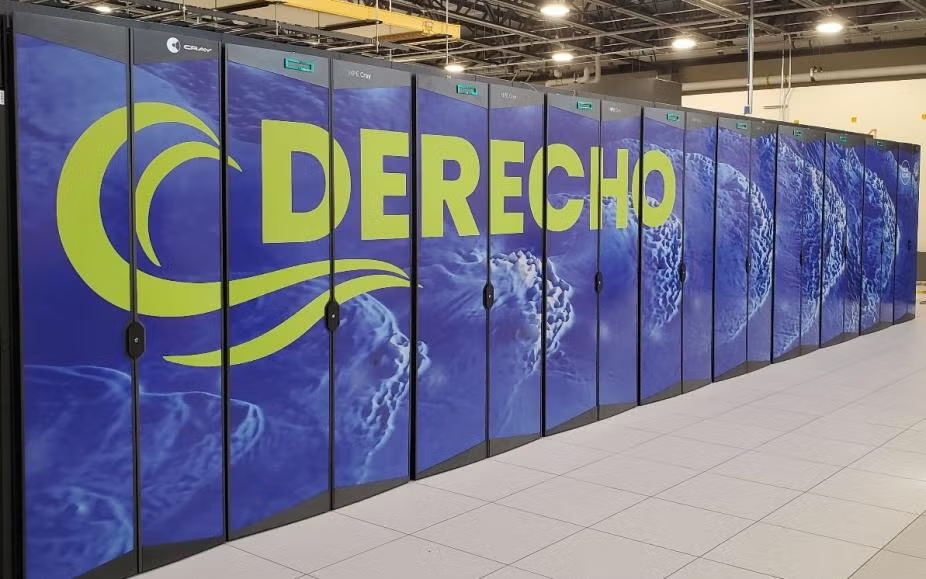
The next day, I was interviewing Dr. Bette Otto Bliesner on Monday around noon, and at the end of the interview in the NCAR library, she told me, “Life is short–Everette resigned.” I was floored and disoriented. Everette had told me nothing the night before. I looked at my email and saw two letters: one from Eric Barron, UCAR president, whom I thought was a mentor, and one from Everette. These letters did not look alike. I popped a vein and headed straight to Everette’s office, but I saw his staff. They were sad, with red eyes. I felt that all that Warren fought for, and all that we fought for the many decades, had just collapsed like a brick building- game over. Later that day, I said there was more to this and that there needed to be transparency about what happened. I had a beer with Everette that evening at the Southern Comfort bar (I thought this was a black bar…unfortunately not!), and he didn’t tell me what happened, but it still felt wrong. We toasted with a small glass of beer (bitter, like the moment), and I thanked him for all he had endured, given that the Trump Administration was trying to close NCAR; all of NCAR’s aircraft were grounded, and the Supercomputer was up for being taken over.
Epilogue
The next day, Tuesday, November 10, as I prepared for several more interviews at the Mesa Lab, I saw Everette Joseph. He said that he was taking his stuff out of the office. I saw some employees hug him, and he told me he was going to say a few kind words to the cafeteria staff before leaving. Ag and I told Everette we wanted to walk out to the parking lot with him. We did. He got into his car and drove off.
I thought… Damn, there goes history.
On Thursday, November 12, after conferring my ideas with my colleagues about writing to the UCAR president and the Board of Trustees chair, I sent them a letter to them asking for transparency to the community. I am still waiting for them to say something to everyone.
That evening, I went down to see Mary one last time before heading back to PA, and I went with my former Penn State student, Delian, a brilliant graduate student who received a scholarship from Mary and Warren in 2023.
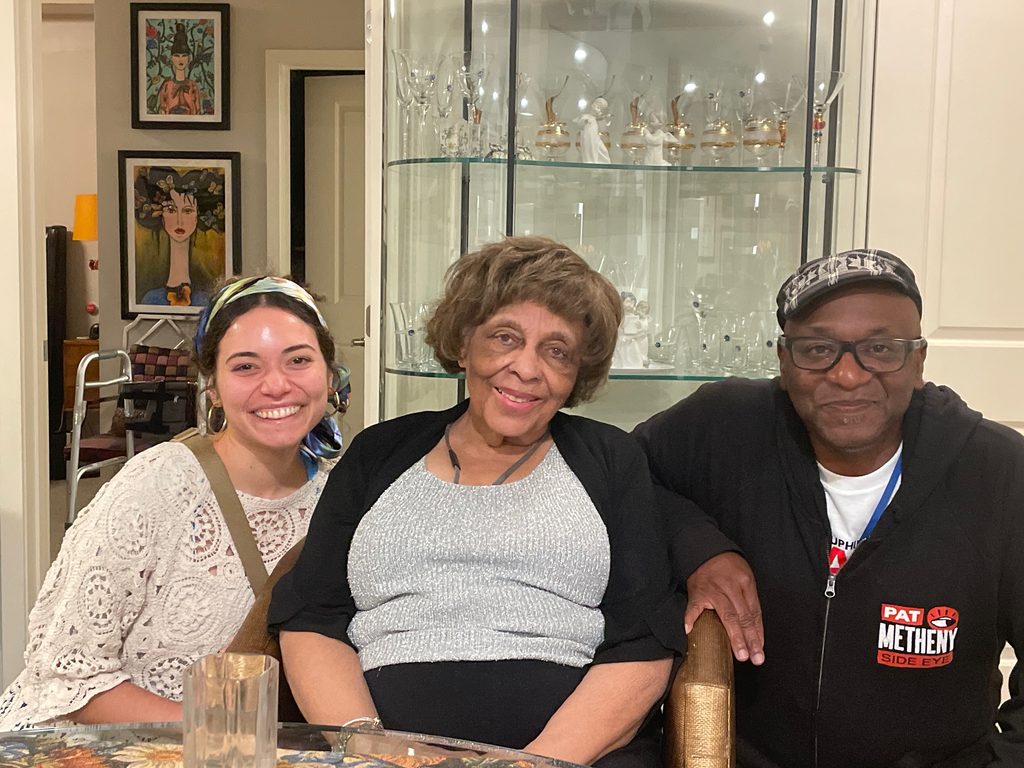
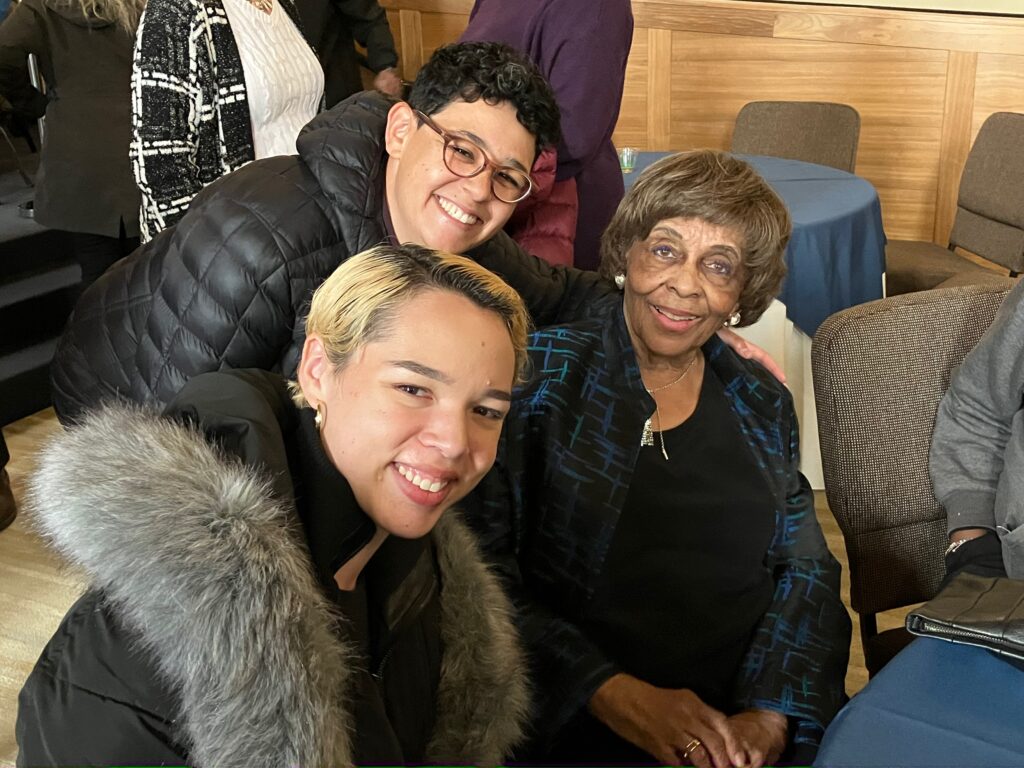
I had to tell Mary what happened to Everette. Mary’s memory sometimes slips because she is 90. She said, “You mean the nice man who went to Bonefish with us on Sunday.” I said yes. She said Why did they do that? I said, ” I don’t know, but I will find out for your sake and for Morton’s vision of a world that fights injustice, is inclusive, fair, innovates, and attacks the climate crisis to protect all life on this planet. “I will be that messenger.”
We need your help to ensure that there is transparency about the dismissal of Dr. Everette Joseph. Please click the link below at change.org